Way-Kambas-Birding-Tour
Sumatera-Endemic-Birds

Way Kambas Birding

Discover the Birds of Sumatra’s Remarkable Lowland Forests

Welcome to Way Kambas Birding Tour, your gateway to one of Sumatra’s most rewarding birdwatching destinations.Located in Lampung Province, southern Sumatra, Way Kambas National Park protects an extraordinary landscape of lowland forest, wetlands, rivers, grasslands and swamp habitats. This diverse ecosystem provides refuge for a remarkable variety of birds, including rare lowland specialists and some of Southeast Asia’s most sought-after nocturnal species.

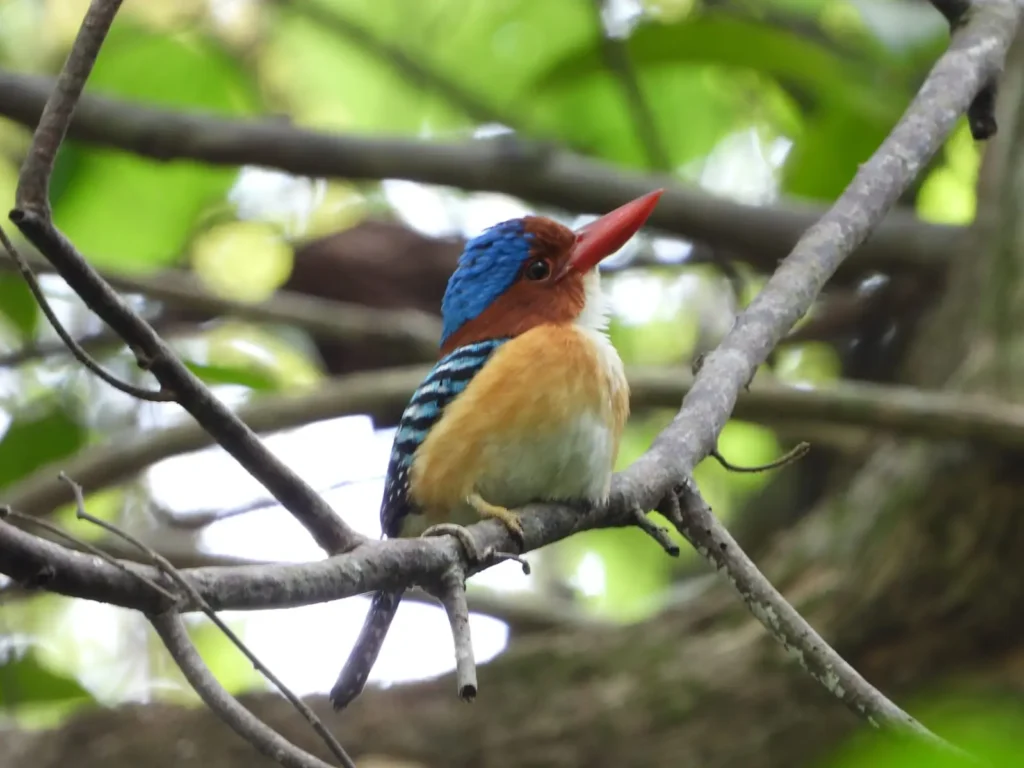
Banded Kingfisher
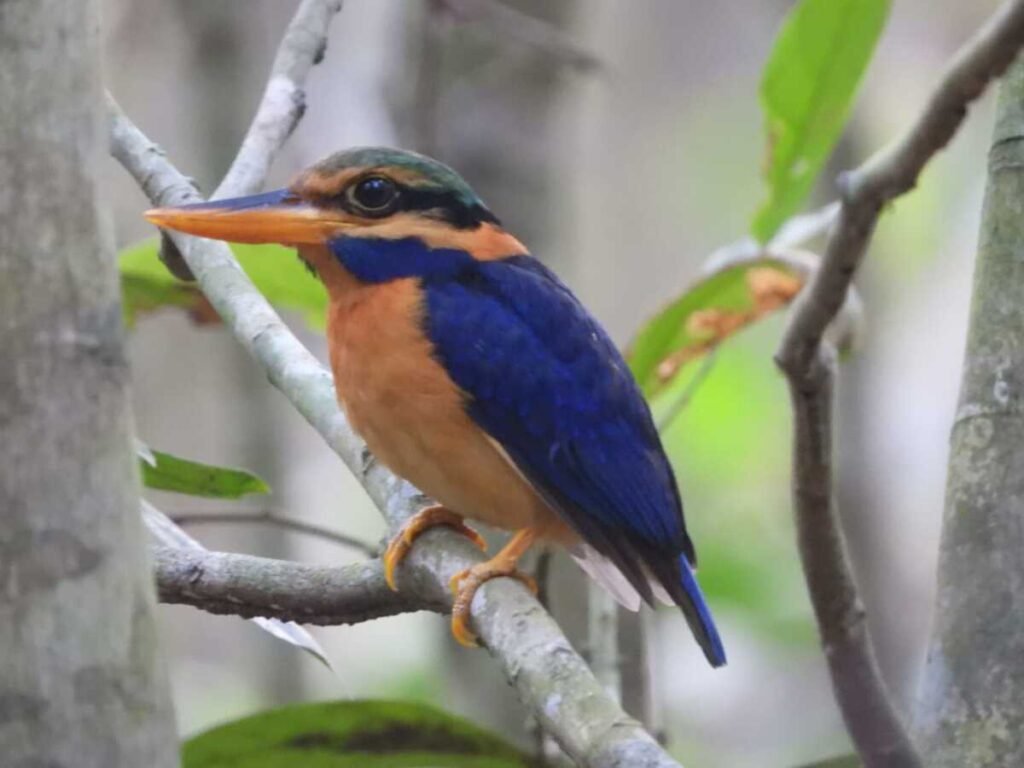
Rufous collared Kingfisher
Our birding tours are designed for travelers who want more than a conventional wildlife excursion. Whether you are an experienced birder building your Indonesian bird list, a photographer searching for distinctive tropical species, or a first-time visitor eager to experience the sounds and sights of a Sumatran forest, Way Kambas offers an exceptional setting for an unforgettable birding adventure.

A Birdwatcher’s Destination in Southern Sumatra

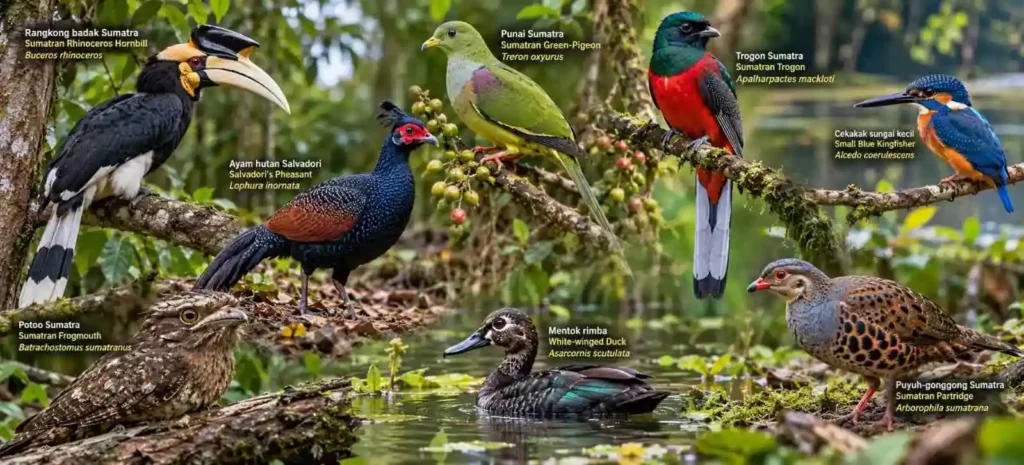
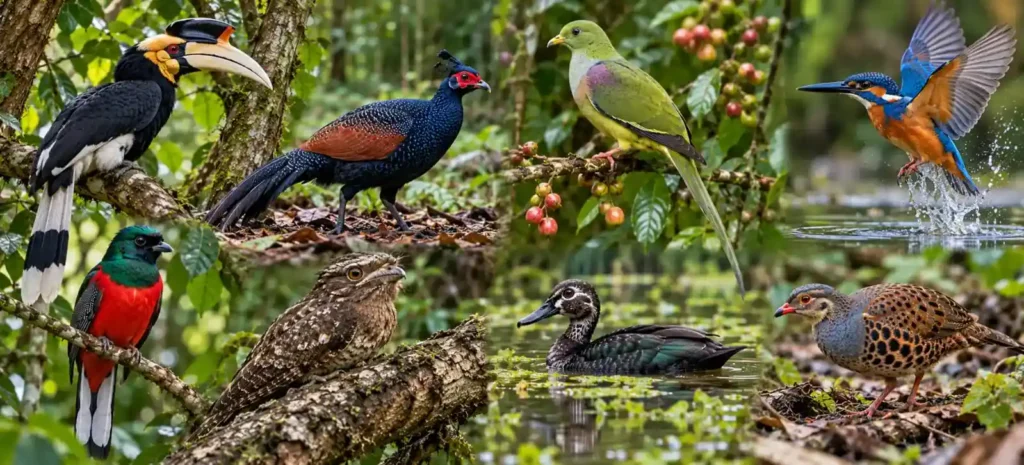
Way Kambas is particularly valuable for birdwatchers because of its combination of accessible lowland habitats and rich bird diversity. Historical birding records from the national park have documented more than 320 bird species, demonstrating the importance of the area for Sumatran and Southeast Asian avifauna. The park’s varied habitats support forest birds, wetland species, raptors, kingfishers, hornbills, pheasants, pigeons, barbets, pittas, babblers and many other species. Among the birds that may be encountered are Great Argus, Crested Fireback, Crested Partridge,

Experience the Magic of Night Birding

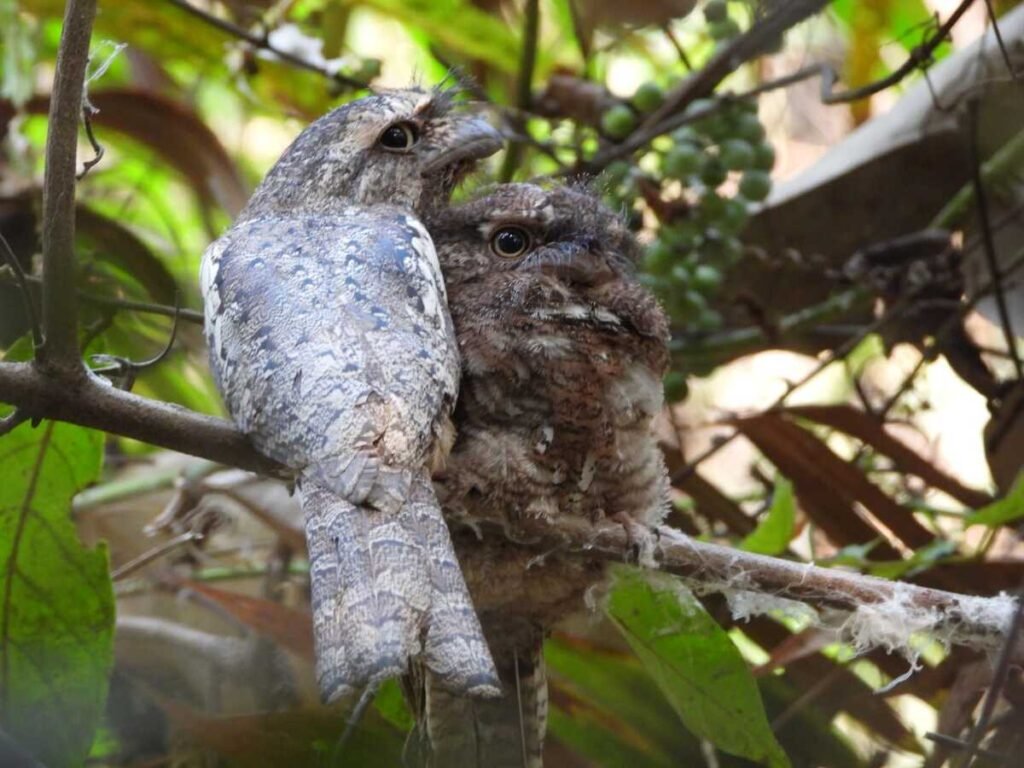
As daylight disappears over the forest, Way Kambas becomes a completely different world. The calls of nocturnal birds begin to emerge from the darkness. With an experienced guide and careful observation, birders may have opportunities to search for some of the region’s most fascinating night birds, including Large Frogmouth, Gould’s Frogmouth, Sunda Frogmouth, Oriental Bay Owl, Reddish Scops Owl and Malaysian Eared Nightjar. Way Kambas has historically been recognized as an outstanding destination for observing nocturnal birds, particularly along suitable forest roads and trails around the Way Kanan area. Night birding requires patience, quiet movement and respect for wildlife. Rather than simply illuminating the forest, our approach emphasizes listening for calls, understanding bird behaviour and observing animals without unnecessary disturbance. For many visitors, hearing a frogmouth call in the darkness and eventually locating the bird perched silently among the branches becomes one of the most memorable moments of a Way Kambas birding

Explore Diverse Bird Habitats

A major advantage of Way Kambas is the variety of habitats available within the national park.

Lowland Forest

The forest provides habitat for numerous species that are difficult to find in more developed parts of Sumatra. Early mornings can be especially productive, when birds become active and mixed feeding groups move through the vegetation.

River and Forest Edge

The Way Kanan area and its surrounding riverine habitats provide opportunities to observe kingfishers, pigeons, raptors and other birds associated with water and forest margins.

Wetlands and Swamps

Seasonal wetlands add another dimension to the birding experience. Areas such as Rawa Gajah and other swamp habitats can attract waterbirds and wetland specialists. These environments are particularly significant for species such as White-winged Duck, Storm’s Stork and Lesser Adjutant.

Grassland and Open Areas

Open habitats can produce species that are less frequently encountered inside dense forest. Raptors, storks, pigeons and other birds may use these areas for feeding or movement. The combination of these habitats means that a single birding itinerary can offer a remarkably varied selection of species.

More Than a Bird List

At Way Kambas Birding Tour, we believe birdwatching is about more than collecting species names. It is about understanding the ecosystem behind every sighting.

A hornbill flying across the forest canopy, a kingfisher hunting beside a river, a stork standing in a wetland or a frogmouth calling after sunset is part of a much larger ecological story.

Our tours encourage visitors to appreciate the relationship between birds, forests, wetlands and the wider conservation landscape of Way Kambas. We also believe that responsible birdwatching should contribute positively to conservation.

Visitors are encouraged to respect national park regulations, stay within authorized areas, maintain appropriate distances from wildlife and minimize disturbance—especially when observing sensitive nesting, feeding or roosting sites.


Birding for Beginners and Experienced Birders

You do not need to be a professional ornithologist to enjoy Way Kambas.

Our birding experience can be adapted to different levels of knowledge and interest.

  • Beginners, the tour provides an introduction to identifying tropical birds through appearance, behaviour, habitat and vocalization.
  • Experienced birders, Way Kambas offers opportunities to pursue more specialized targets and improve a personal species list.
  • Wildlife photographers, the diverse habitats provide opportunities to photograph birds in natural surroundings, subject always to park regulations and responsible wildlife-viewing practices.

Our guides can help participants understand bird calls, field marks, behaviour and habitat while making the experience enjoyable rather than turning the tour into a race to find as many species as possible.

The Best Time for Birdwatching

Bird activity varies according to weather, habitat conditions and season. Early morning is generally one of the most productive periods for tropical birdwatching. As temperatures rise during the day, bird activity can decrease, particularly in exposed areas. Night excursions offer a completely different opportunity. Depending on conditions and permitted access, the period around dusk and the early hours after dark can be particularly interesting for searching for nightjars, owls and frogmouths. Wetland conditions also influence bird activity. Seasonal changes in water levels can affect where waterbirds gather and how easily they can be observed. Because wildlife is unpredictable, no particular species or number of sightings can be guaranteed. Our priority is to provide a well-planned and responsible birding experience while allowing the natural environment to determine what we encounter.

A Responsible Way to Experience Way Kambas

Way Kambas is not simply a tourism destination. It is a protected conservation area and an important refuge for wildlife. This means that every visitor has a responsibility to minimize their impact. We encourage responsible birding practices such as:
  • Following all national park regulations and guide instructions.
  • Staying on authorized roads and trails.
  • Keeping a respectful distance from wildlife.
  • Avoiding excessive use of playback.
  • Never feeding or attempting to touch wild birds.
  • Avoiding disturbance of nests and roosting sites.
  • Keeping noise to a minimum.
  • Taking all rubbish out of the forest.
  • Using lights responsibly during night birding.
  • Respecting temporary closures or restricted areas.
Responsible tourism helps ensure that Way Kambas remains a healthy habitat for birds and other wildlife for generations to come.

Your Birding Adventure

A successful birding trip is a combination of preparation, patience, local knowledge and a little luck. We carefully consider the available habitats, time of day, weather conditions and seasonal opportunities when planning our birding activities. The itinerary can be adjusted according to the interests and experience of participants, subject to national park regulations and local conditions. A typical experience may begin before sunrise, when the forest is waking and bird activity starts to increase. After exploring the morning habitats, there may be opportunities to visit wetlands, riverine areas or other suitable locations before taking a break during the hottest part of the day. As afternoon approaches, bird activity can increase again. Then, after sunset, the focus may shift toward the fascinating world of nocturnal birds. The result is not simply a checklist. It is a complete immersion in the natural rhythms of one of Sumatra’s important lowland ecosystems.

Why Choose Way Kambas Birding Tour?

Rich Lowland Biodiversity
Explore one of Sumatra’s important remaining lowland wildlife landscapes.

Specialist Birding Opportunities
Search for forest, wetland and nocturnal species, including some highly sought-after birds.

Experienced Local Guidance
Benefit from local knowledge of habitats, bird behaviour, calls and seasonal conditions.

Day and Night Birding
Experience two very different sides of the Way Kambas ecosystem.

Wildlife-Focused Experiences
Enjoy birdwatching as part of a broader appreciation of Sumatra’s biodiversity.

Responsible Tourism
Experience Way Kambas with conservation and wildlife welfare at the centre of the journey.

Begin Your Way Kambas Birding Journey

From the first bird call before sunrise to the mysterious sounds of the forest after dark, Way Kambas offers an extraordinary birdwatching experience in the lowlands of Sumatra.

Whether your goal is to photograph a spectacular Great Argus, search the wetlands for White-winged Duck, listen for a nightjar at dusk or experience the remarkable frogmouths of the forest after dark, every visit brings the possibility of a new discovery.

Come prepared to slow down, listen carefully and explore.

Discover Way Kambas. Discover the birds of Sumatra.

Join Way Kambas Birding Tour and experience the extraordinary biodiversity of southern Sumatra through the eyes of a birdwatcher.

Begin Your Birding Adventure

From the first bird calls before sunrise to the mysterious sounds of the forest after dark, Way Kambas offers an extraordinary birdwatching experience in the lowlands of Sumatra. Whether you are hoping to photograph a spectacular Great Argus, search the wetlands for White-winged Duck, encounter a Storm’s Stork, or listen for frogmouths, owls and nightjars after sunset, every day in Way Kambas brings the possibility of something remarkable. But the real reward is more than a bird list. It is the experience of walking into one of Sumatra’s great lowland wildernesses, guided by people who know its forests, wetlands and wildlife.

Your Birding Adventure Starts Here

Ready to explore Way Kambas? Join us for a professionally guided birding experience designed around your interests. Whether you are a dedicated birder, or wildlife photographer, first-time visitor, or simply a nature lover looking for an unforgettable experience in Sumatra.

Tell us what you are looking for, when you plan to visit, and how many people are travelling. We’ll help you plan your Way Kambas birding adventure.

Come to Way Kambas.

Listen to the forest. Find the birds. Experience Sumatra.

Way Kambas Birding Tour — Your Gateway to the Birds of Sumatra.